The Crimean War and Istanbul’s Strategic Role
Fought between 1853 and 1856, the Crimean War began as a conflict between the Ottoman Empire and the Russian Empire. It soon expanded into a wider European confrontation when Britain and France entered the war on the Ottoman side.
During the conflict, Istanbul became the logistical and medical heart of the allied operations. Wounded soldiers were transported across the Black Sea and treated in military hospitals established around Haydarpaşa and Üsküdar. At that time, long before the construction of the iconic Haydarpaşa Railway Station, the area functioned primarily as a military and medical hub.
However, bullets were not the deadliest threat. Cholera, typhus, and dysentery spread rapidly through overcrowded hospitals and camps, claiming more lives than combat itself. To bury British soldiers who died in Istanbul, Ottoman authorities allocated land in Haydarpaşa, marking the beginning of the cemetery in the mid-1850s.
The Birthplace of Modern Nursing
One of the most symbolic figures of the Crimean War in Istanbul was Florence Nightingale. Stationed at the Selimiye Barracks, Nightingale introduced systematic hygiene practices that significantly reduced mortality rates among wounded soldiers.
Although she is not buried here, many soldiers who died in the hospitals where she worked were laid to rest in Haydarpaşa. In this sense, the cemetery holds a quiet but meaningful place in the history of modern nursing and medical reform.
Who Is Buried There?
The majority of burials date back to the Crimean War period. Those interred include:
-
Soldiers from the British Army infantry regiments
-
Members of the Royal Artillery and Royal Engineers
-
Personnel of the Royal Navy
-
British diplomats and merchants residing in Istanbul
-
Family members and children of the British community
-
Some medical staff who served during the war
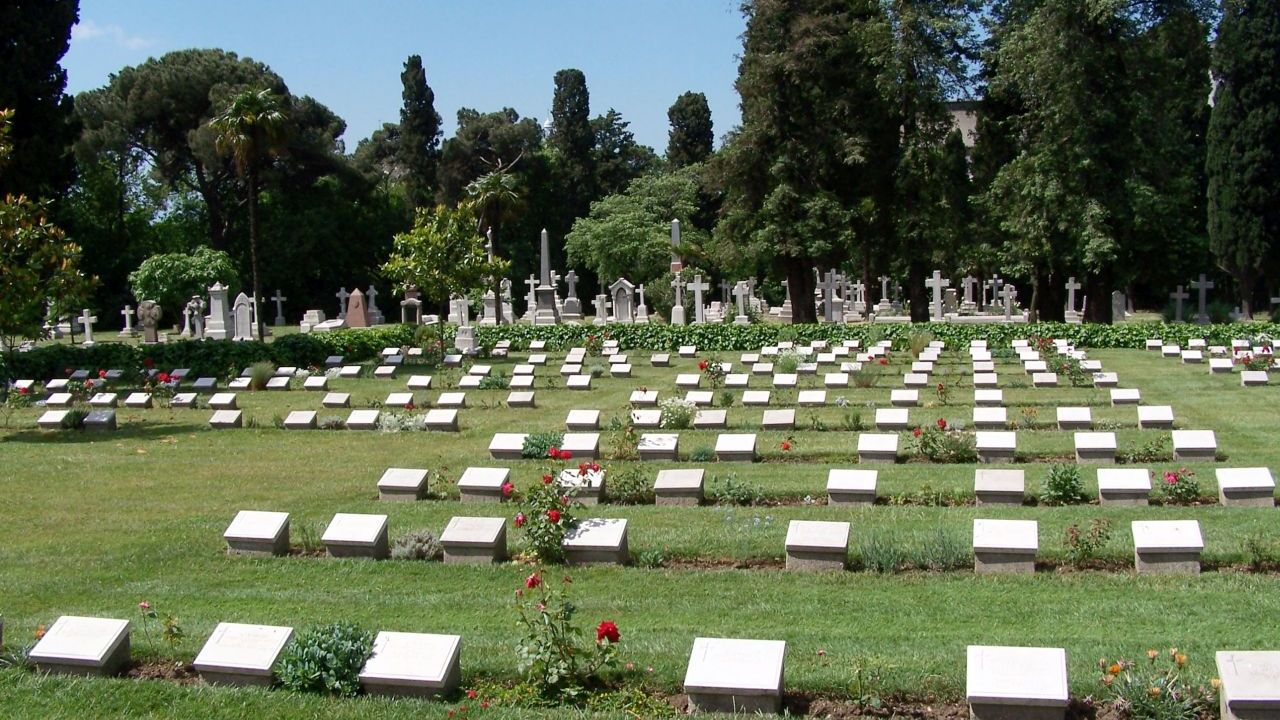
Headstones typically display the name, rank, regiment, and date of death. Many inscriptions record causes of death such as cholera or fever, underscoring the devastating health conditions of the time.
Unlike monumental memorial sites dedicated to generals or statesmen, Haydarpaşa English Cemetery primarily commemorates ordinary soldiers and civilians. Young privates, mid-ranking officers, sailors, and children rest side by side, offering a poignant reminder of the human cost behind imperial rivalries.
How Many Are Buried?
While figures vary across historical sources, it is estimated that between 600 and 800 British soldiers and civilians are buried in the cemetery. Some graves represent collective burials, which makes establishing an exact number challenging.
Today, the cemetery is maintained under the supervision of British authorities and recognized as an international war burial site.
A Multicultural Legacy
The Ottoman Empire permitted foreign communities to establish and maintain their own burial grounds, reflecting the empire’s multi-religious and multinational character. Haydarpaşa English Cemetery emerged from this legal and diplomatic framework.
Despite the urban transformation of the surrounding district over the past century, the cemetery remains preserved as a quiet historical enclave. Amid the noise of modern Istanbul, it continues to tell a global story of war, disease, diplomacy, and loss.
Haydarpaşa English Cemetery is more than a burial ground. It is an open-air archive of 19th-century geopolitics and a solemn reminder that the greatest toll of war is often borne far from the battlefield.